Source Overhead
Straight Down
- Drip Pattern
- One steady drip in the same spot.
- Record Shows
- Same location in every rain.
- Roof Above
- Open detail directly overhead.
- Search Area
- A few square yards above the drip.
- Repair
- Close the overhead detail.
We take on Berwick commercial roof repair for plants and storage buildings. A clear record of where water lands over packaged goods guides the roof search.
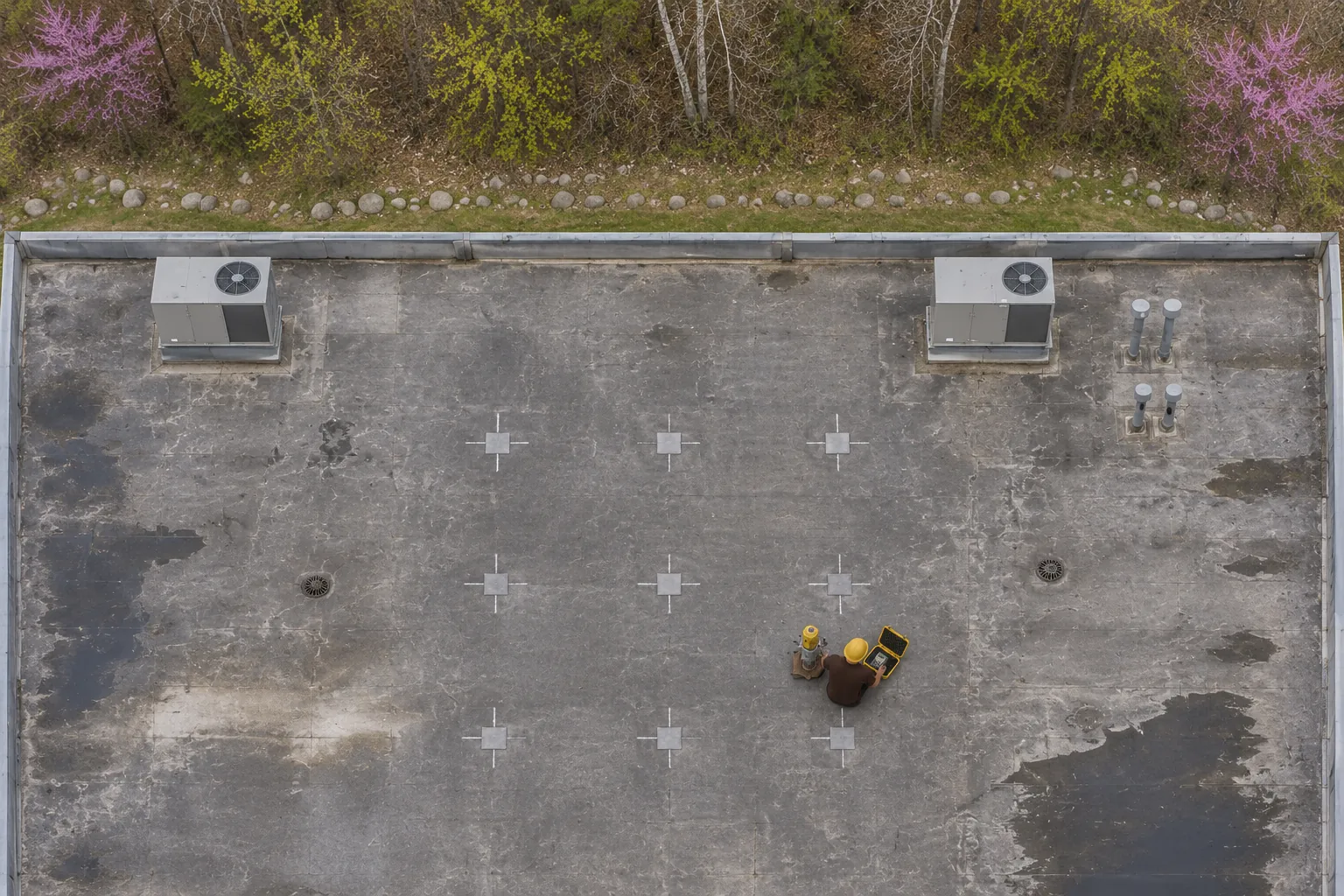
Berwick commercial roof repair over product starts with what staff wrote down before anyone guesses at a cause.
Staff move exposed goods under the plant procedures, then note the storage location, the time the water appeared, and the visible trail. Those three facts narrow the roof search more than any guess.
We relate that record to the roof areas and equipment above the leak. Keeping observation apart from theory lets the search follow the water instead of stopping at the first likely suspect.
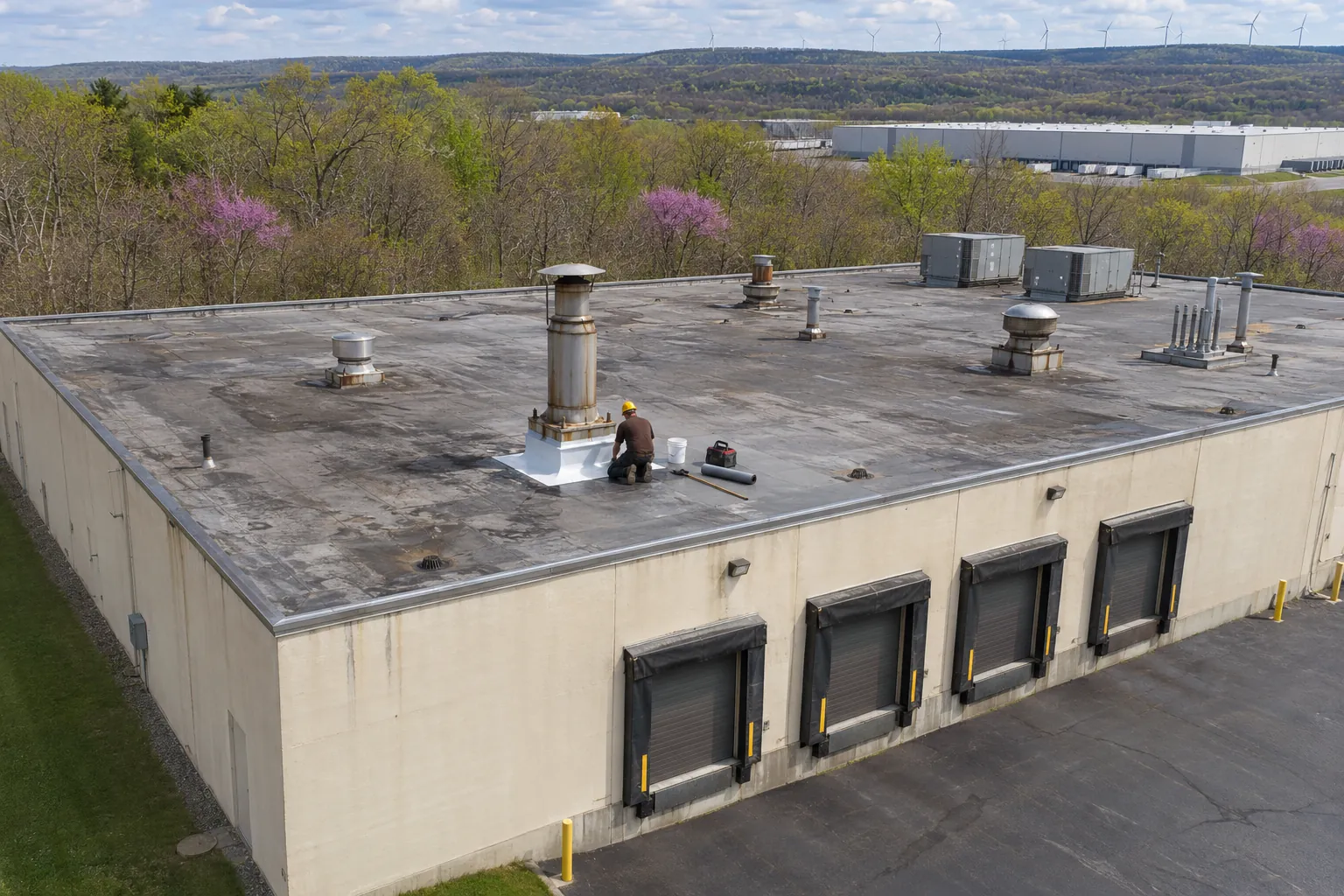
Leaks over product tend to come from a handful of details.
Process fans above packaging areas shake their curb flashing loose, and drips land on whatever sits below. Fan runtime and leak timing are compared in the plant record.
Drains slowed by debris let water rise against laps on large flat roofs over storage bays. Clearing strainers and bowls is part of every inspection there.
Water rides deck flutes and beams across the building, landing several bays from the opening. The record of every spot where water landed shows the travel path.
Laps at roof edges lift in strong wind and let storm rain under the membrane. Edge metal and the first lap inward are checked together.
Sleeves for process piping lose their seals, leaking only when rain runs past them at the right angle. Leaks that appear only in certain winds often point here.
Insulation soaked by an old leak keeps dripping onto product after the opening is closed. Cores across the storage bay show how far the wet area reaches.
Water over stored goods either drops straight down or travels first. These rows show how the search changes.
Methods are picked after the record and the roof survey line up.
Storage locations and times are laid against the roof plan to mark which equipment and details sit upstream of the drip. Equipment upstream of the drip is listed first.
Suspect details are wetted one at a time with goods protected below and staff watching inside. Testing pauses whenever staff need the area back.
Fan curbs and pipe sleeves get new flashing that follows the equipment movement instead of fighting it. Flexible flashing is used where equipment moves.
Cores mark wet boards, which come out so drips over product stop once the opening is sealed. New boards are fitted before the membrane is closed.
A traced repair protects inventory as much as the roof.
Closing the actual opening above storage ends the cycle of moving goods every time it rains. Staff stop shifting pallets each time rain is forecast.
A good record plus our roof notes make the next leak quicker to place. Roof notes are added to the plant record by location.
Following evidence avoids patching the closest curb when water actually came from three bays away. The search continues until the drip pattern is explained.
Taking out wet insulation stops the slow drips that keep appearing after a storm has passed. Drips that lingered for days after rain come to an end.
Call with the storage location and when the water appeared. Move product under your own procedures; we will start from your notes.
The plant record and the roof survey work together.
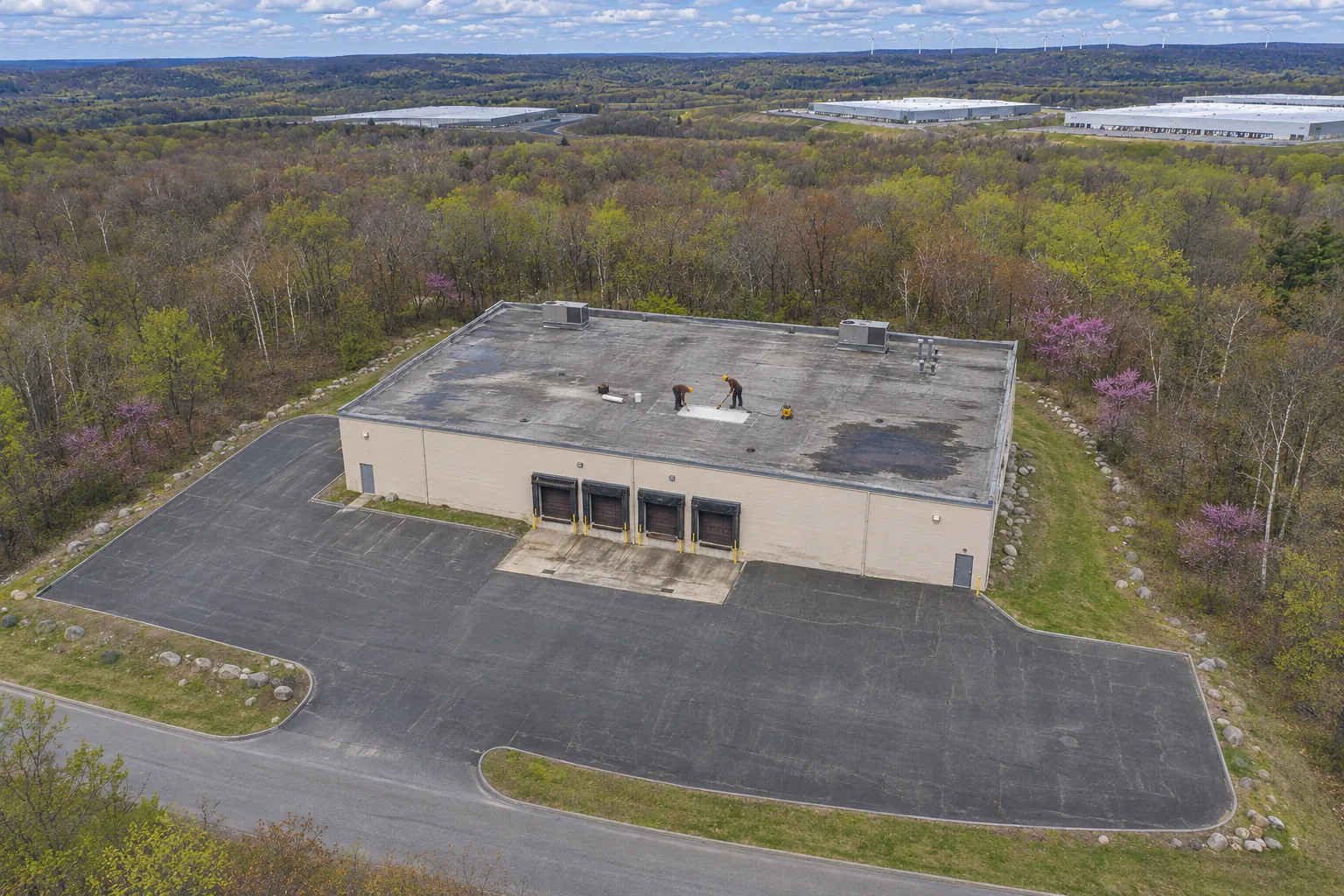
Location, timing, and the water trail are reviewed with staff and marked on a roof plan. Missing details are filled in with staff before the climb.
Equipment and details above and uphill of the drip point are checked in order. Equipment runtime is noted alongside each check.
Water testing runs only with product covered or moved and someone watching inside. Testing runs in short, watched intervals.
The opening is repaired, wet insulation removed, and the record updated with what was found. The plant gets a copy of the updated record.
Berwick is part of a six-town area where we repair commercial roofs. The other towns are below.
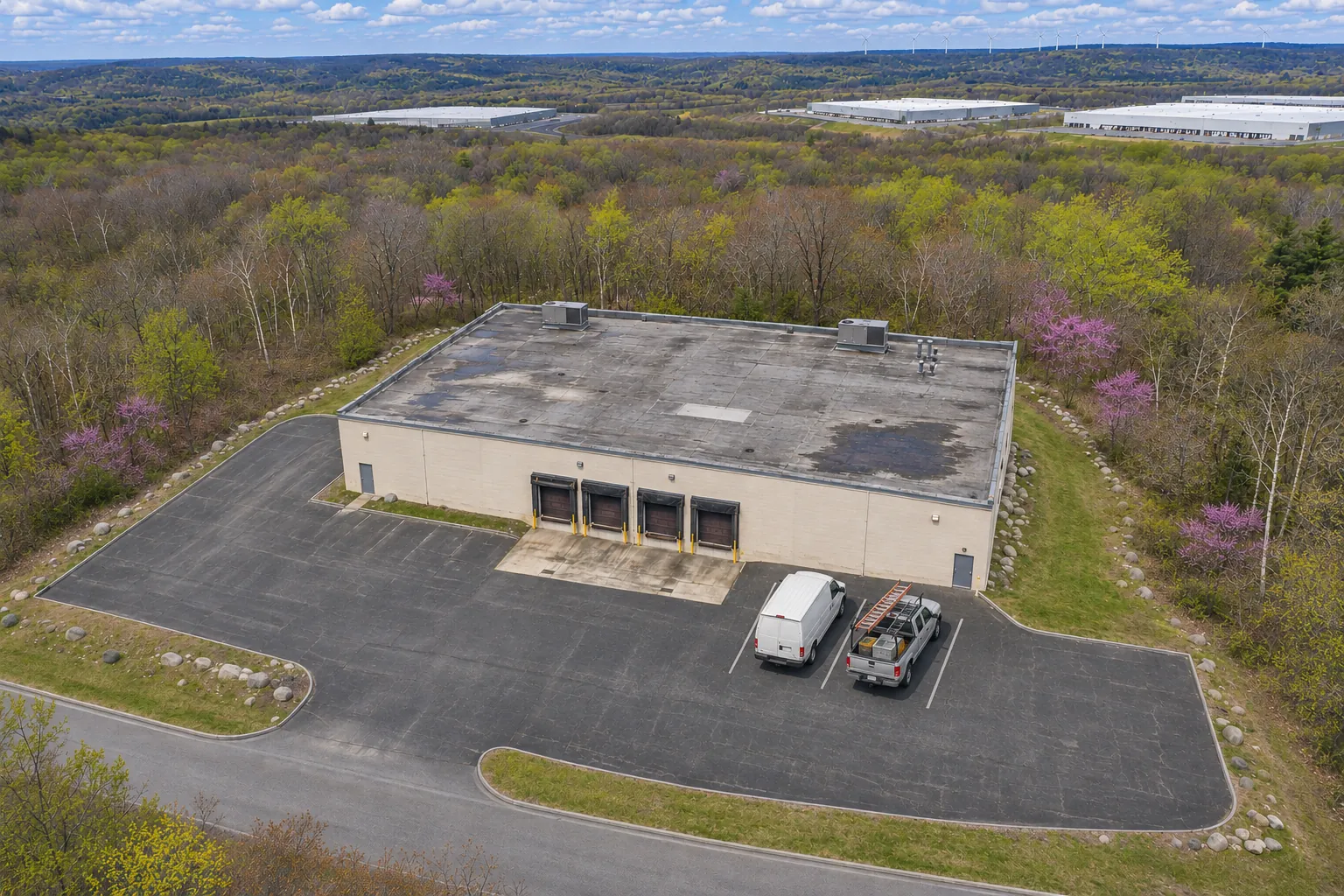
Home base; industrial park and downtown roofs.
Old sign supports and unused roof penetrations.
Wall junctions where earlier repairs meet.
Attached shops with shared walls and transitions.
Roofs carrying layers of older patches.
Note the storage location, timing, and visible water path while moving goods under your own procedures. We relate that record to the roof and equipment above, and keeping notes free of guesses keeps the search open.
Very. A photo of the drip point, the stain, and the nearest column or rack label helps tie the inside spot to the roof plan.
Tracing time, the number of openings, wet insulation found in cores, equipment flashing, and access with product protected. An on-roof inspection sets the price.
Yes. Work is planned around shifts, with openings over product covered and testing done only when staff are ready inside.
Yes. Large plant roofs get the same record-first approach, broken into roof areas so each bay is checked in order.
We repair the roof flashing and name equipment problems we find. Repairs to fans, units, or piping go to the plant maintenance crew or their contractor.
Send the storage location and timing from your record. We will match it to the roof and repair the opening that feeds the drip.